Powerlifting on a Tight Schedule: The Ultimate Busy Professional's Guide

The Challenge of Balancing Long Hours and Big Lifts
You close your laptop after a 10-hour workday, battle a soul-crushing evening commute, and the last thing your brain wants to do is walk under a heavy barbell. We have all been there. Balancing demanding careers, long hours, and relentless life deadlines with serious strength goals is exhausting—and it’s the exact point where most lifters give up.
When time is limited, trying to follow an elite 6-day training schedule isn't just impractical; it's a fast track to burnout. You do not need endless free time to build serious strength and hit new personal records (PRs). You just need a strategy designed for real-life constraints. Here is how to optimize your powerlifting program, home gym setup, and recovery when your calendar is packed.
Optimizing the Big Three: Squat, Bench, and Deadlift
When gym time is tight, compound movements offer the best return on investment for your time. The primary compound exercises—Squat, Bench Press, and Deadlift—recruit multiple large muscle groups simultaneously, allow high weight loads, and trigger maximum central nervous system (CNS) adaptation in minimal time.
                  ┌──────────────────────────────────────────┐
                  │          Compound First Focus            │
                  └────────────────────┬─────────────────────┘
                                       │
            ┌──────────────────────────┼──────────────────────────┐
            ▼                          ▼                          ▼
   ┌─────────────────┐        ┌─────────────────┐        ┌─────────────────┐
   │ Squat Variations│        │   Bench Press   │        │    Deadlift     │
   │ High stimulation│        │(Upper intensity)│        │ (Full body load)│
   └─────────────────┘        └─────────────────┘        └─────────────────┘
How to Structure Short Strength Sessions
- Prioritize the Primary Movement: Always start your workout with your primary compound lift while your physical and mental energy is highest.
- Focus on Quality Reps: Even if you only have 30 to 40 minutes, hitting your main work sets on the squat, bench, or deadlift with high intensity provides the vast majority of your strength and muscle-building stimulus.
- Adjust Tempo and Variations: Use variations like paused squats or tempo bench presses to build strength and technique without needing to spend an extra hour on accessory lifts.
Selecting the Right Training Frequency (3-Day vs. 4-Day Splits)
The biggest mistake busy lifters make is choosing a routine based on what is "most optimal" on paper rather than what is most feasible in practice.
| Training Frequency | Ideal Split Structure | Best Suited For |
| 3 Days / Week | Full Body (Rotating heavy squat/bench/deadlift) | Peak busy seasons, unpredictable work hours |
| 4 Days / Week | Upper / Lower Split | Ideal balance of powerlifting frequency and recovery |
| 5 Days / Week | Push / Pull / Legs / Upper / Lower | Lighter work seasons with minimal commute stress |
Prioritizing Compound Lifts Over Accessory Volume
Accessory work has its place, but it should never compromise your main lifts. Your heavy compound movements are your bread and butter. If you exhaust yourself on leg extensions or cable flies before approaching the power rack, you actively limit your strength potential. Focus your prime physical energy where it yields the maximum return.
Building an Efficient Home Gym Setup
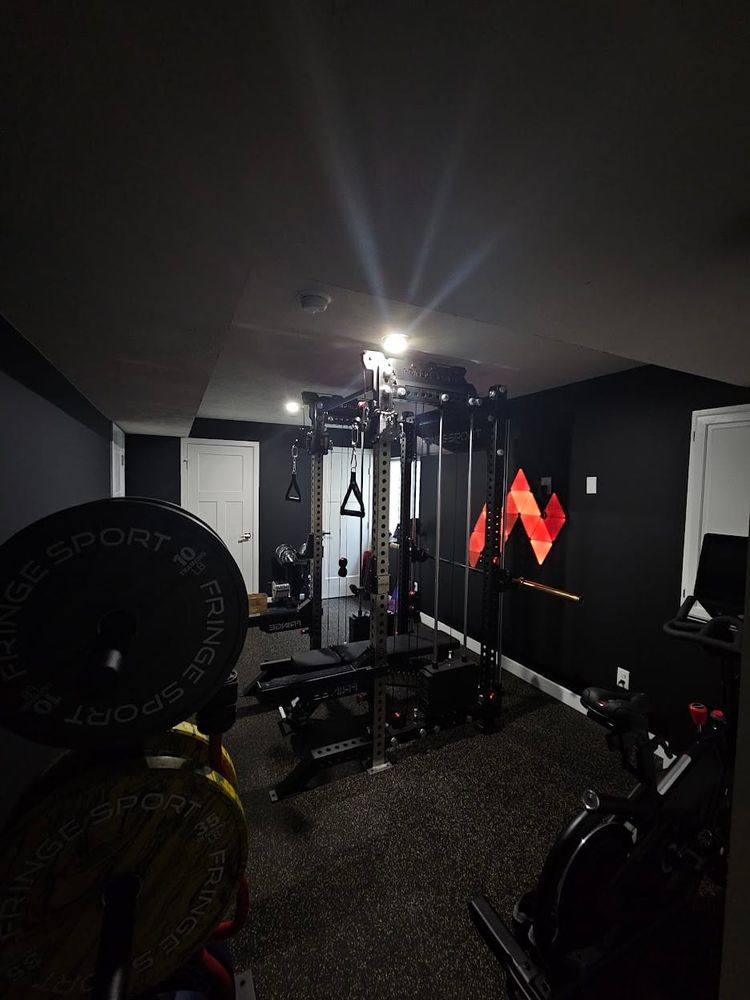
Eliminating the drive to a commercial gym is one of the most effective ways to save 5 to 10 hours every week. While building a home gym requires space and initial investment, the time saved and consistency gained are unmatched.
             ┌──────────────────────────────────────────────────┐
             │            Essential Home Gym Core               │
             │(Squat Rack + Barbell + Adjustable Bench + Plates)│
             └────────────────────────┬─────────────────────────┘
                                      │
                   ┌──────────────────┴──────────────────┐
                   ▼                                     ▼
     ┌───────────────────────────┐         ┌───────────────────────────┐
     │    High-Return Additions  │         │    Space-Saving Volume    │
     │  (Dumbbells / Kettlebells)│         │    (Resistance Bands)     │
     └───────────────────────────┘         └───────────────────────────┘
Essential Gear for High-Return Workouts
To maximize safety and power transfer during heavy lifts at home, invest in key support gear:
- Lever Belt: A solid 10mm or 13mm lever belt aids intra-abdominal bracing, stabilizing your spine under heavy loads and allowing maximum force production during squats and deadlifts.
- Neoprene Knee Sleeves: Sleeves keep the knee joint warm, promote joint elasticity, improve blood flow, and provide joint feedback during heavy squatting sessions.
Time-Saving Workout Protocols (Supersets & RPE Tracking)
When accessory time is limited, apply time-saving efficiency protocols to keep workout density high without sacrificing performance:
- Antagonistic Supersets: Pair non-competing muscle groups back-to-back with zero rest between exercises (e.g., pairing a dumbbell row set directly with an overhead dumbbell press).
- Autoregulation via RPE (Rate of Perceived Exertion): Instead of forcing rigid rep counts when work fatigue is high, train by intensity. Aim for RPE 8 or 9 (leaving 1 to 2 reps in the tank) on accessory work to ensure maximum stimulus regardless of daily energy fluctuations.
Nutrition and Recovery When Working 50+ Hour Weeks
Training hard on long workdays without intentional nutrition is a recipe for stalled progress.
                      ┌─────────────────────────────────┐
                      │    Daily Workout Fuel Timing    │
                      └────────────────┬────────────────┘
                                       │
              ┌────────────────────────┴────────────────────────┐
              ▼                                                 ▼
   ┌──────────────────────┐                          ┌──────────────────────┐
   │   Pre-Workout Meal   │                          │   Post-Workout Meal  │
   │ (1 Hr Before Lift)   │                          │ (Within 1 Hr After)  │
   │  ~25-30% Daily Carbs │                          │  ~25-30% Daily Carbs │
   └──────────────────────┘                          └──────────────────────┘
- Batch Meal Prepping: Prepare lean proteins (chicken, turkey, lean beef) and complex carbs (rice, oats, potatoes) in bulk 3-to-4-day batches. Keep daily assembly fast with minimal cleanup.
- Strategic Carb Timing: Target 50% to 60% of your daily carbohydrate intake around your training window—evenly split between your pre-workout meal (1 hour before training) and post-workout meal (within 1 hour after training) to optimize glycogen replenishment, energy, and muscle recovery.
Consistency Over Perfection
Building exceptional strength while managing a demanding professional life isn't about running the "perfect" program—it's about running a program you can stick to consistently month after month. Match your training split to your current life demands, safeguard your recovery, and stay committed to the big lifts.
What is your biggest struggle when balancing gym time with a busy work schedule? Drop a comment below and let’s discuss! If you enjoyed this guide, subscribe to the newsletter to get weekly updates, training strategies, and practical productivity tips delivered straight to your inbox!



Comments ()